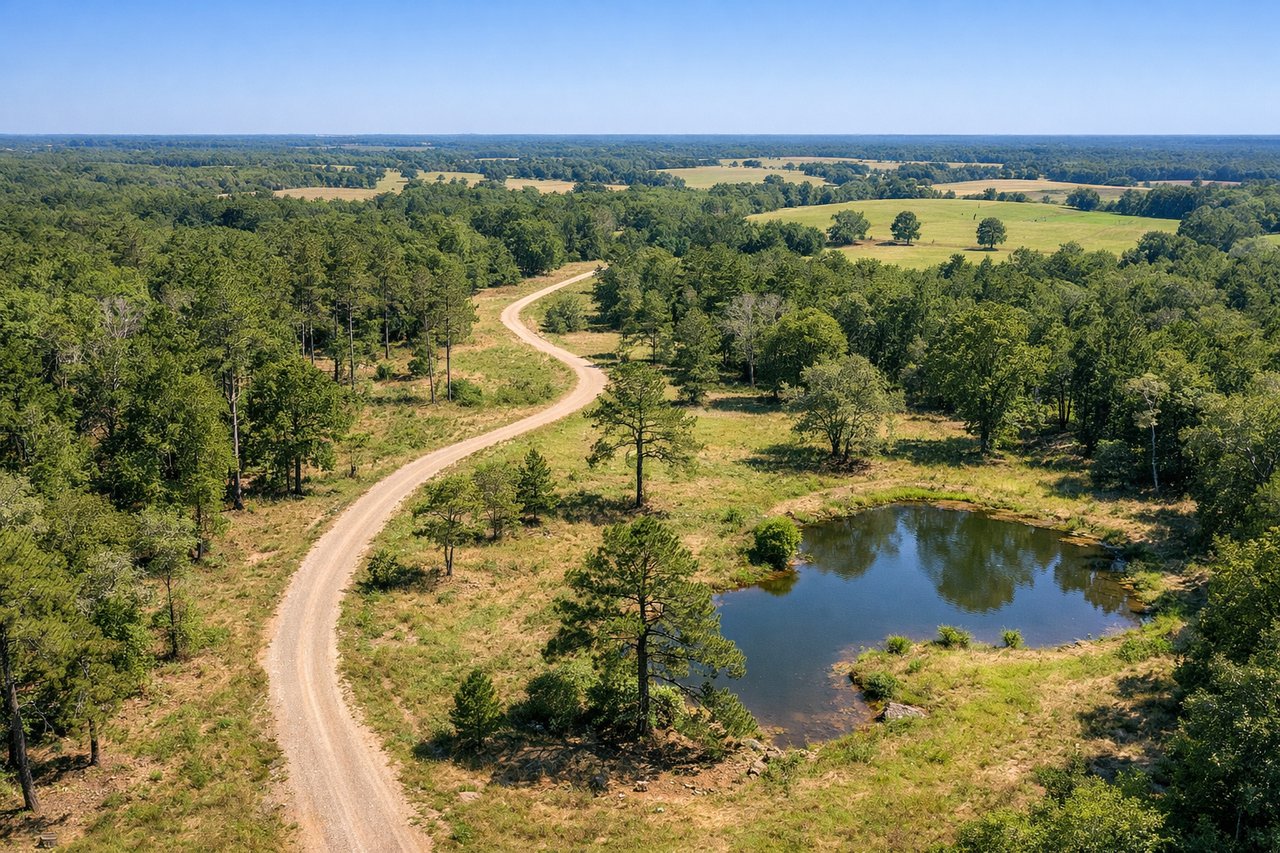
Land ownership has always held a special appeal in East Texas. Whether it’s a few acres outside town for privacy, a hunting property in the woods, or a larger tract for farming or recreation, many buyers dream of owning land where they can build, explore, and invest in the future.
In recent years, interest in land across Northeast Texas has grown steadily. Buyers from larger cities are looking for space, rural property, and investment opportunities. At the same time, local buyers are searching for places to build homes, start small farms, or simply enjoy the outdoors.
However, buying land is very different from purchasing a house in town. There are several factors buyers should carefully consider before making an offer. Understanding these details ahead of time can help avoid surprises and ensure the property truly fits your goals.
Below are some of the most important things to evaluate when purchasing land in areas like Bowie County, Red River County, Cass County, and the surrounding East Texas communities.
Understanding Access to the Property
One of the first things to verify when purchasing land is legal access. A property must have a recorded easement or direct road frontage to ensure the owner can legally enter and exit the land.
Many rural properties in East Texas are located along county roads, farm roads, or private easements. If the property does not directly front a public road, the buyer should confirm that a legally recorded access easement exists.
Without legal access, financing can become difficult and future resale could be complicated. A title company can help verify recorded access during the title search process, but it’s always wise to investigate this early.
Buyers should also consider the quality of the road itself. Gravel roads and dirt roads are common in rural areas, and maintenance may fall to nearby property owners rather than the county.
Utilities and Infrastructure
Unlike homes inside city limits, many rural properties do not automatically have utilities available. Before purchasing land, buyers should determine whether the following services are available or feasible:
-
Electricity
-
Water supply (rural water or well)
-
Septic system installation
-
Internet availability
-
Cell service coverage
In East Texas, many rural properties rely on water wells and septic systems, especially if the land is located outside municipal service areas. Installing these systems is common, but buyers should factor the cost into their overall budget.
Electric providers often serve rural properties, but extending power lines to the homesite location may require additional cost depending on the distance from existing service.
Property Boundaries and Surveys
Knowing exactly where the property boundaries are located is critical when purchasing acreage.
Many rural properties are fenced, but fences are not always perfectly aligned with the legal boundary lines. A current survey can provide clarity and help prevent disputes with neighboring landowners.
If a recent survey is not available, buyers may choose to negotiate having one completed during the contract process. Surveys are especially helpful when purchasing larger tracts of land, wooded acreage, or property with irregular boundaries.
Understanding the property layout also helps buyers evaluate where homes, barns, driveways, and other improvements may be placed.
Soil, Flood Zones, and Land Use
Another important consideration when purchasing land is how the property can realistically be used.
Certain properties may fall within flood zones, wetlands, or conservation programs that affect development options. Buyers should review FEMA flood maps and county records to determine whether any restrictions exist.
For buyers planning to build a home, the soil composition is also important. Some soil types may require additional preparation before installing septic systems or foundations.
Additionally, buyers should confirm whether the property is currently under agricultural exemption. In East Texas, agricultural exemptions can significantly reduce property taxes, but maintaining the exemption often requires continued agricultural activity such as grazing or hay production.
Wildlife, Timber, and Recreational Value
One of the reasons many buyers seek land in Northeast Texas is the opportunity for outdoor recreation.
Properties in areas like Bowie County, Cass County, and Red River County often offer strong wildlife populations including deer, hogs, turkey, and waterfowl. Timberland is also common throughout the region.
When evaluating land for recreational use, buyers should consider:
-
Timber coverage and maturity
-
Water sources such as ponds or creeks
-
Wildlife habitat
-
Nearby agricultural land that may attract game
These features can significantly influence both enjoyment and long-term property value.
Financing Land Purchases
Land financing can differ from traditional home loans. Many lenders require larger down payments for land purchases, especially for raw land without improvements.
Some buyers choose to purchase land with cash, while others explore financing options through local banks that are familiar with rural property lending.
Loan terms may vary depending on whether the land will be used for:
-
Future home construction
-
Agricultural purposes
-
Investment or recreational use
Speaking with lenders early in the process can help buyers understand what options are available.
Why East Texas Land Continues to Be in Demand
The appeal of East Texas land continues to grow for several reasons.
The region offers a combination of natural beauty, lower population density, and relatively affordable acreage compared to many other parts of the state. Buyers are often drawn to the opportunity to own property that provides privacy while still being within reasonable driving distance of communities like Texarkana, New Boston, and De Kalb.
For many families, land represents more than just an investment. It can become a place for building a home, creating a farm, hunting with friends, or simply spending time outdoors.
As interest in rural living continues to increase, well-located land in Northeast Texas remains a valuable asset.
Key Takeaways When Buying Land
Purchasing land can be an exciting opportunity, but it requires careful evaluation.
Before buying acreage in East Texas, buyers should take time to confirm:
-
Legal access to the property
-
Utility availability
-
Property boundaries and surveys
-
Flood zones or development restrictions
-
Financing options
-
Recreational and long-term land value
Working with a real estate professional familiar with rural properties can help guide buyers through these details and ensure the transaction moves smoothly.
Final Thoughts
Owning land in East Texas offers a unique opportunity to invest in property that can serve many purposes for years to come. Whether the goal is building a home, creating a recreational retreat, or holding land as a long-term investment, understanding the details behind the purchase is key.
If you’re thinking about buying or selling property in the Texarkana area, Bowie County, or surrounding communities, I’d be glad to help guide you through the process.
Reach out anytime to start the conversation.